How an active pregnancy helps you in the birthing suite
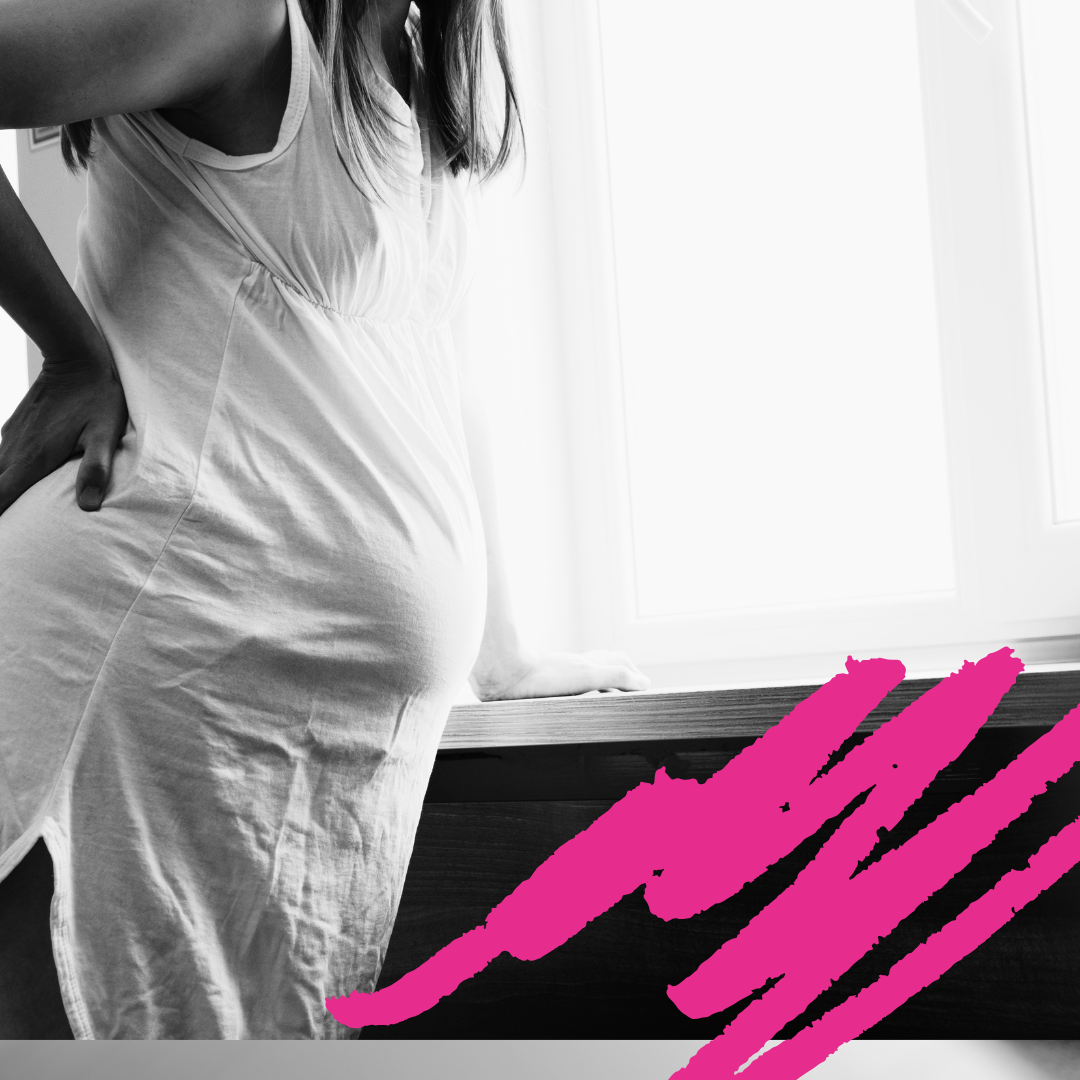
Staying upright and active helps to reduce pain and progress labour.
One of the most common and universal symptoms of pregnancy, and one that can continue to some degree through all three trimesters, is fatigue.
The energy demands of pregnancy leave many people feeling less energetic, and when you are experiencing low energy, it can seem counterintuitive to expend more energy by prioritizing exercise.
But regular, consistent physical activity can actually help you feel more energetic throughout the day and make everyday activities feel easier. And the benefits of staying active during pregnancy don't stop when you walk into the birthing suite.
Exercise during pregnancy can help prepare your body for the physical demands of labour. While your level of fitness does not determine how much pain you will experience or how your birth will unfold, being physically active can help you develop strength, endurance, mobility and confidence that may be useful during labour and birth.
Research also shows that regular physical activity during pregnancy is associated with a lower likelihood of cesarean and operative vaginal birth, although birth outcomes are influenced by many factors and exercise certainly doesn't guarantee a particular type of birth outcome.
So what does an active pregnancy actually have to do with what happens in the birthing suite?
Here are a few ways the work you do during pregnancy can help you feel more prepared for the big day.
You practice getting up and down from the floor
This may sound like a small thing—until you're in labour.
During labour, we know that frequent position changes can help labour progress and also reduce discomfort. You might stand beside the bed, walk or pace around the room, squat, kneel, lean over the bed, get onto your hands and knees, sit on a birth ball or lie on your side.
Pregnancy isn't the time to avoid movement because it feels harder. It's a great time to practice moving your body in the ways you may want to use during labour. Squats, lunges, getting up from the floor, stepping side to side and moving between standing, kneeling and hands-and-knees positions all build familiarity with movement. And yes, there may also be several moments when your midwife or nurse asks you to lift your butt off the bed so they can change the pad underneath you! It’s one of the reasons why we love practicing a bridge lift so that you can do this (yes, even people who have an epidural can often help themselves!)
You build confidence in different labour positions
You don't need to know exactly which position you'll use during labour. In fact, you may end up using positions you never imagined! But having experience with movements like squats, lunges, hands-and-knees positions, side-lying and supported standing can help you feel more comfortable moving your body when labour gets intense.
In a perfect world, you aren't learning these movements for the first time while you're having contractions. You've already practiced them. Bonus points awarded for those who register for a prenatal childbirth series. We highly recommend the classes offered by Discover Birth. They are led by Certified Childbirth Educators and are delivered LIVE online, giving you and your partner a chance to practice various comfort measures BEFORE baby arrives!
You build endurance for the physical work of labour
Labour is physical.
Even when you're resting between contractions, your body is working. Depending on the length and intensity of your labour, you may spend hours walking, standing, changing positions, squatting, rocking, leaning, kneeling or supporting yourself in different ways.
Regular aerobic activity and strength training during pregnancy help maintain physical fitness and muscular endurance. This doesn't mean that being fit means you will have a shorter or less painful labour. It means you have been practicing using your body for sustained physical activity—which may be helpful when you need to keep moving, changing positions and finding ways to stay comfortable.
And if you choose an epidural or other form of pain relief? That's okay too. Fitness isn't about proving that you can labour without pain medication.
The goal isn't to be "tough enough" to avoid pain relief. The goal is to have options.
You become more comfortable with movement when things get uncomfortable
One of the most useful things you can practice during pregnancy is learning that movement doesn't always have to look perfect. You can modify. You can slow down. You can use a wall, chair or partner for support. You can take a wider stance. You can rest. You can try again. That ability to adjust your movement based on how your body feels is incredibly valuable during labour.
We love using a wall-sit to help teach people how to provide comfort in labour. The discomfort that builds while we are holding an isometric squat at the wall is similar to contractions- the discomfort builds in intensity over a period of time. However, distraction techniques like humming, counting, signing, rubbing our legs, breathing , or a combination of these strategies all help to change our perception of discomfort, usually allowing us to stay longer in that position. More importantly, we learn that the discomfort ends. Once we are out of the position we feel much better. Labour contractions are similar. Once the wave has passed, you are more comfortable.
You strengthen the muscles you'll rely on every day
Pregnancy and birth ask a lot from your body. Strength training during pregnancy isn't about preparing your body to "bounce back.-it's about helping you build and maintain the strength you need to move through pregnancy, birth and the early days of caring for a baby.
Think about the movements you'll be doing over and over:
Getting up from the floor.
Standing while holding your baby.
Squatting to pick something up.
Carrying your baby.
Pushing a stroller.
Getting in and out of bed.
Moving through your home while tired.
Your pregnancy workouts are helping prepare you for all of that, too.
You practice breathing and connecting with your body
Exercise gives you opportunities to notice how your breathing changes when your body is working.
You learn what it feels like to take a deeper breath. You practice coordinating your breath with movement. You learn how to slow things down and recover and you become more familiar with the sensations of effort, tension and release. Those skills can become useful during labour, when breathing, movement, relaxation and position changes may all become part of your toolkit for managing the physical intensity of contractions.
Your birth doesn't have to go according to plan
This might be the most important part.
Being active during pregnancy doesn't mean you'll have a certain kind of birth. You can exercise throughout your pregnancy and have a long labour. You can exercise throughout your pregnancy and have a cesarean birth. You can plan an unmedicated birth and decide you want an epidural. You can plan to move throughout labour and end up spending most of your time in bed. None of these things mean your preparation failed.
Your body isn't being graded on how your birth unfolds. The purpose of prenatal fitness is not to train for a "perfect" birth. It's to help you feel strong, capable and connected to your body as you move through pregnancy—and to give you physical skills and confidence that you can draw on when the big day arrives. Because birth is unpredictable, but feeling prepared doesn't have to mean knowing exactly what will happen.
Sometimes it simply means knowing:
I can move.
I can breathe.
I can adapt.
I can rest.
I can ask for support.
And I can trust my body to take this one step at a time.
And that's something worth practicing long before you get to the birthing suite.
If you have an uncomplicated pregnancy, physical activity is generally safe and recommended. Some pregnancies require modifications or additional guidance, so always follow the advice of your healthcare provider regarding your individual circumstances.
Interested in joining us? Our community is a great way to meet other new parents. Fitmama Strong Durham has been operating in-person classes in the Durham Region since 2010 and we’ve been offering Online classes online from our virtual studio since 2020. Our community is a thriving and welcoming space for you and your littles.
We offer Prenatal Fitness and Prenatal Yoga classes, on-demand from our virtual studio through a special series.
If you’re new to Fitmama Strong Online, try one of our 7 Day FREE Membership! You can use them at any of our Express classes on our live, online schedule. It doesn’t matter if you’re pregnant, your baby was born 6 weeks ago or 6 years ago, we have something for all of our members! Already been to Fitmama Strong classes? Attend and in-person series or grab a monthly membership and keep moving with us.
Finally, we offer in-person Stroller Fitness and Babywearing Fitness in the Durham Region and Ottawa locations. We can’t wait to have you join us!
We can’t wait for you to #startwithus and #growwithus. Join us Online or at one of our in-person classes!